The State of Community Health in 2026: Challenges and Bright Spots

Marcus Johnson
Lead Journalist
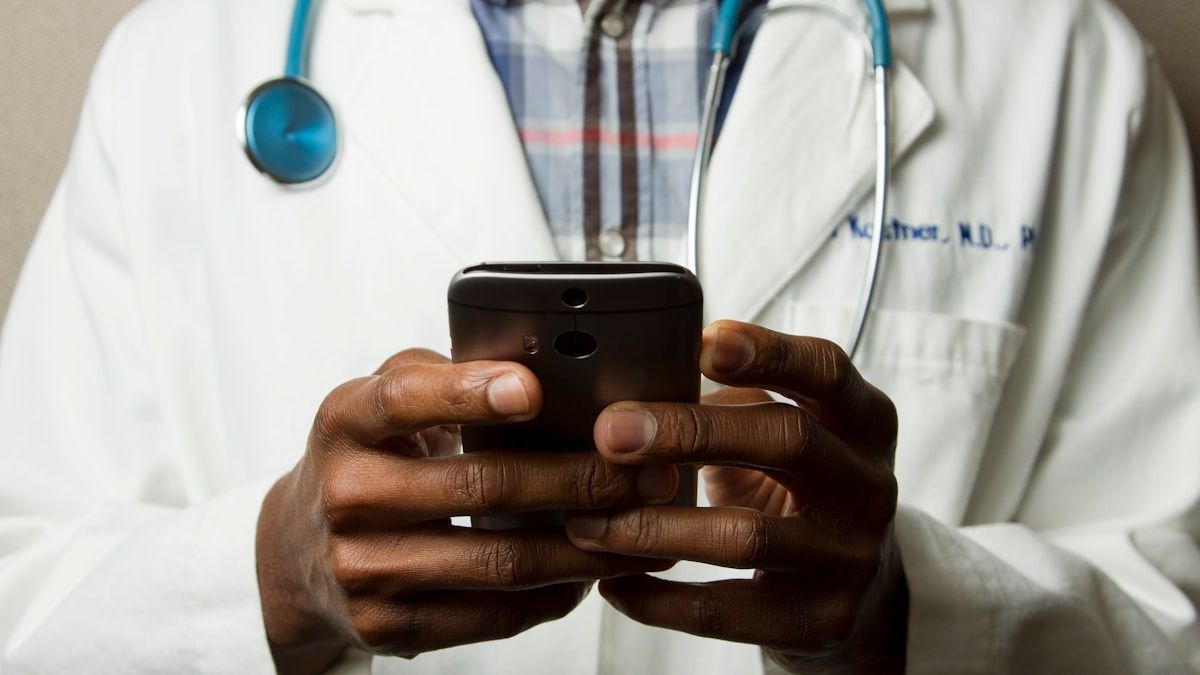
From mobile clinics to telehealth expansions, community health organizations are finding creative solutions to persistent access barriers. Here is what the landscape looks like in 2026.
Mobile Clinics and Meeting People Where They Are
The mobile clinic model has exploded in popularity over the past three years. Organizations like Harbor Health Collective in Baltimore are proving that when you bring healthcare directly to neighborhoods, utilization rates soar and emergency room visits drop.
The economics are compelling too. A fully equipped mobile clinic costs a fraction of a brick-and-mortar facility, and it can serve multiple communities on a rotating schedule. For rural and underserved urban areas, this model is a game-changer.
Persistent Barriers and Bright Spots
Despite progress, significant barriers remain. Medicaid coverage gaps affect millions, mental health services are still critically understaffed in most regions, and the social determinants of health — housing, food access, transportation — continue to drive outcomes more than medical care alone.
The bright spots are the organizations that are taking an integrated approach: addressing health alongside housing, employment, and nutrition. These holistic models are showing the strongest long-term outcomes, and they represent the future of community health.